|
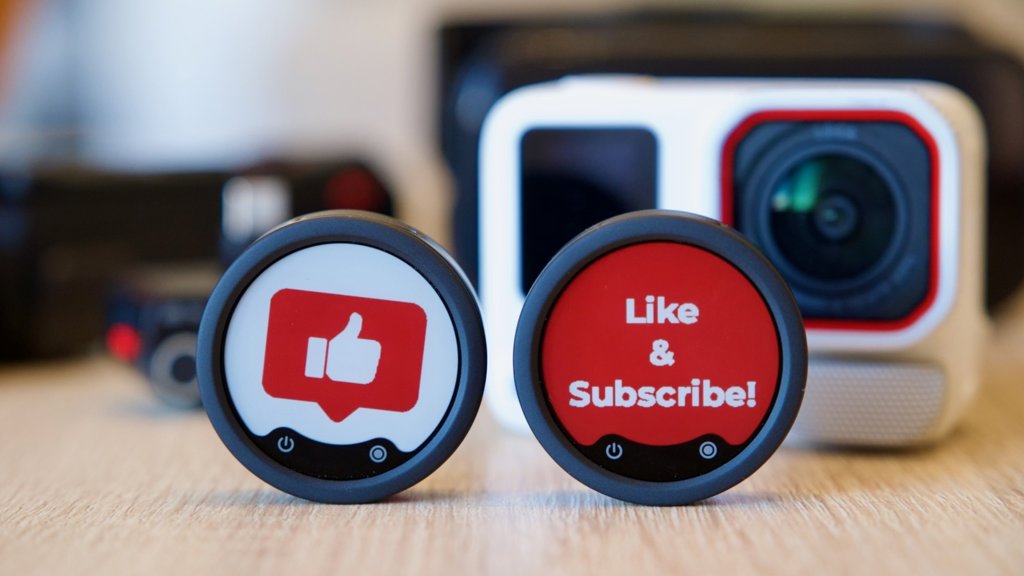 In an ocean of boring microphones, Insta360 adds a (customizable) pop of color.
James Trew for Engadget
RATING : 8.2 / 10
Pros
Customizable display
Flexible storage
Stellar battery life
Class-leading range
Cons
Chunky transmitters
Less budget-friendly than rivals
It's been a transformative year for Insta360. The Luna Ultra and Luna Pro cameras, both released over the summer, cemented its reputation as a capable camera-maker that isn't limited to 360 video. When it unveiled the Mic Pro, with its quirky e-ink display, the portfolio of creator products was almost complete.
Well, almost, because there was a small gap between the $330 Mic Pro and the affordable Mic Air.
Insta360 plugs that gap today with the $250 Mic. Yep, capital M as that's the full name of the product (let's just accept right now this review might get confusing). The Mic is a pared-down version of the Mic Pro, with a cost-saving feature that might actually make it more appealing to many creators. Wireless mic systems are plentiful, but the Insta360 Mic is curious and endearing. The question is, will that be enough to earn it a place on your lapel?
Insta360 Mic design and features
James Trew for Engadget
I loved the sound on Insta360's Mic Pro and it appears the regular Mic inherited the same audio quality. My voice isn't deep, but it's lower in register and I'm prone to swallowing my words. Recordings with the Mic on default settings and voice mode all sound as clear as a mumbling Brit like me could hope for. Activating the Rich voice tone adds a pleasing amount of presence when speaking, and is, dare I say it, more podcast-friendly. The Bright preset is better for outdoor recording when there's more ambient noise and you want your voice to stand out more, or if you have a particularly low voice, but the standard recording mode remains my preference.
Insta360's noise reduction also fares well in both indoor and outdoor environments, without any noticeable artifacting or impact on your voice as can sometimes be the case, especially with cheaper microphones. I prefer to leave any processing to the tools I have on my PC, but the noise cancellation is useful if you're recording in a noisy location and want to share a recording from your phone straight away.
I have a few Insta360 cameras — an Ace Pro 2, a Luna Ultra and a Luna Pro — and connecting the Mic directly is easy through on-camera menus. The receiver dongle on the Mic and Mic Pro is pretty chonky and looks conspicuous on a small camera or phone, so being able to ditch it completely is something I really appreciate.
One of the more interesting features is the ability to connect four microphones to one receiver. This is great for group interviews or even simple podcasts, especially as you can output each mic to its own audio channel for detailed editing in post. There's also a multi-receiver option, and it's a bit of a hidden gem. I often shoot with two cameras and having my voice record to both at the same time via two receivers saves me some time in editing as I no longer need to worry about keeping a master audio track and syncing the second camera — the audio I want is baked-in to both angles.  You can also get creative with this and use a second mic to record ambient sound or another sound source for extra flexibility.
Insta360 Mic SD card support
James Trew for Engadget
On the one hand, the lack of onboard storage is a concession for the lower price. But by introducing removable memory, Insta360 has arguably given the Mic an advantage over the Pro. For starters, you're not limited to the amount of storage built-in to the device, so you can add a large SD card and get many more hours of on-board recording. It also means you can swap out a card should it ever fill up without having to transfer or delete files to make space. Working with additional SD cards is often simpler than connecting the mic via USB to access files. If there are any negatives, it does open up the chance of forgetting your SD card when you need it, and there's the small chance of dust ingress or mechanical failure. But honestly, I feel this is more of a Pro-grade feature in disguise.
That screen
James Trew for Engadget
The e-ink display on the Pro was Insta360's main selling point, and it's just as fun here on the regular Mic. I've heard some people complain about the size of the Mic/Mic Pro transmitters, and they sure are larger than rivals like DJI's Mic 3 or GoPro. However, they are the perfect size for displaying your show's logo, or whatever else you want to upload. It also opens up some creative and even interactive options to drive engagement with your audience if you make videos for YouTube and social media.
The competition
James Trew for Engadget
Take your pick: Rode, DJI, Hollyland and even GoPro. There are multiple options available for creators at various price points. Insta360 is selling the full kit (two transmitters, receiver and case) for $250 which puts it right between Rode's two most popular models: the Wireless Go III and the Wireless Pro. The former is popular, but it's awkward for connecting to phones, while the latter comes with two wired lav mics for a more complete "kit."
DJI's most recent mic kits are harder to find in the US, but the popular Mic 3 offers similar functionality to Insta360 with smaller, more discrete transmitters for about the same price. Neither Rode nor DJI have a customizable display, though. Hollyland's Lark 2 kit remains an incredibly popular choice and has similar-sized transmitters, and at $70 it's a staggering value. If you spring for the $300 Lark Max 2, you get wireless monitoring and a slew of other extras. Just remember: The Insta360's Mic and SD card slot remain the main differentiator here.
Wrap-up
James Trew for Engadget
Insta360 knew there was a lot of competition when it launched the Mic Pro. Functionally, it competes well with its rivals, and the e-ink display was a smart addition to make it stand out. With the regular Mic, the Pro's best features remain in a more economical package. The switch from on-board storage to SD card feels smart as it lowers cost while adding genuine practical advantages.
But that competition is real. If you just want two microphones and a receiver, better value options are out there. If you own an Insta360 camera, the Mic becomes an easier choice, especially as you can snag just a transmitter for $80. That e-ink display, however, is enough to make the Mic feel genuinely unique in a world of boring, copycat microphones. If you're looking for something that performs well and adds a dash of color or customization to your videos, the Insta360 Mic offers exactly that. |


